Understanding Single-Origin Coffee
Definition and Characteristics
Single-origin coffee refers to coffee beans that are sourced from a specific location, often a single farm, region, or country. This concept is essential in the specialty coffee industry, as it allows roasters to highlight the unique flavors and qualities of coffee that stem from distinct geographical areas. Typically, single-origin coffees are characterized by their unique flavor profiles, which can range from fruity and floral to earthy and nutty, influenced by the local climate, soil, and processing methods.
The Importance of Terroir
Terroir, a French term traditionally used in wine production, refers to the environmental conditions in which a crop is cultivated. For coffee, terroir plays a critical role in determining the bean's flavor. Factors such as altitude, rainfall, soil composition, and even the local ecosystem can significantly affect the taste of the coffee. For example, coffee grown at higher altitudes often develops more complex flavors due to slower maturation of the cherries. Roasters meticulously select beans from specific terroirs to ensure they deliver a unique coffee experience.
Flavor Profiles of Different Regions
Each coffee-growing region has its own distinct flavor profile influenced by its terroir. Here are some notable examples:
- Ethiopia: Known for its bright acidity and floral notes, Ethiopian coffees often feature flavors of jasmine, bergamot, and berries.
- Colombia: Colombian coffees are recognized for their balanced flavor and medium body, often exhibiting caramel sweetness and nutty undertones.
- Guatemala: Coffees from Guatemala typically have a full body with chocolate and spice notes, influenced by the volcanic soil.
- Sumatra: Known for its earthy and herbal flavors, Sumatran coffees are often low in acidity with a heavy body.
The Sourcing Process of Specialty Coffee Roasters
Building Relationships with Farmers
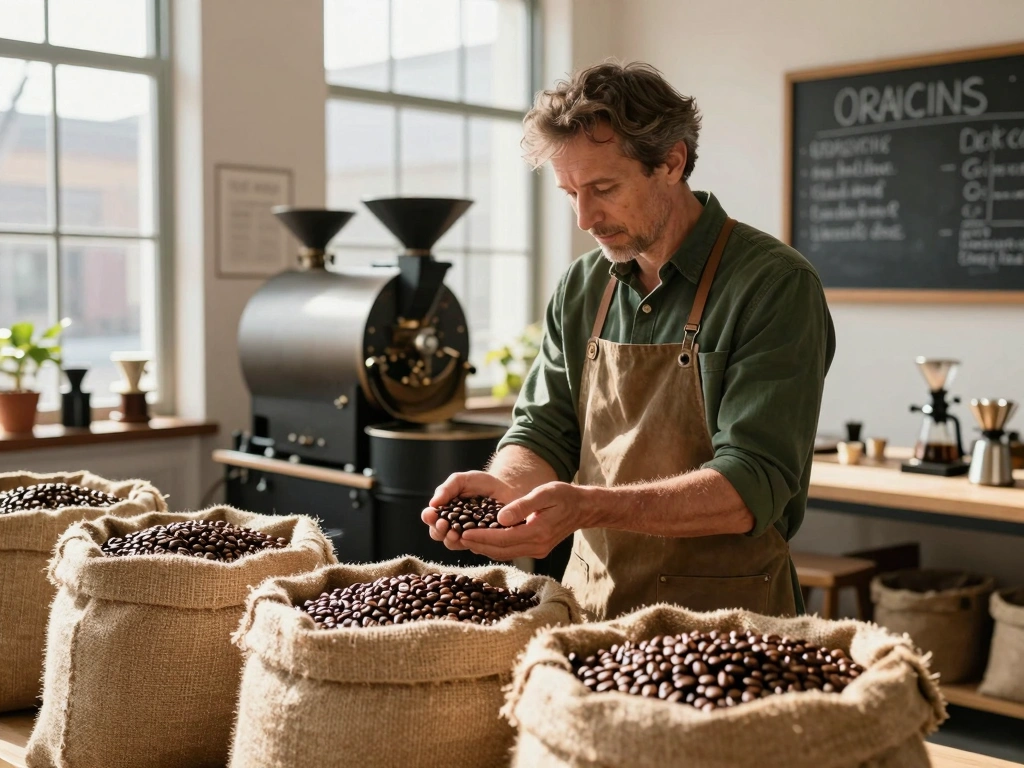
Specialty coffee roasters understand that the key to sourcing quality single-origin beans lies in building strong relationships with farmers. These relationships often begin with visits to farms, where roasters can learn about the cultivation practices and the dedication that farmers put into their coffee. By establishing trust and open communication, roasters can ensure consistent quality and support the farmers in their efforts to improve their practices.
Direct Trade vs. Fair Trade Practices
When sourcing single-origin beans, specialty coffee roasters often navigate between two main purchasing models: direct trade and fair trade. Direct trade involves roasters purchasing beans directly from farmers or cooperatives, often at higher prices than the market rate, which empowers farmers and promotes quality. For example, a roaster might pay $2.50 per pound for beans compared to a market price of $1.50, ensuring that the farmer receives a fair compensation for their hard work.
On the other hand, fair trade practices focus on promoting equitable trade conditions and sustainability, ensuring that farmers receive a minimum price for their coffee, along with a premium for community development. While both models aim for ethical sourcing, direct trade often allows for more personal relationships and quality assurance.
Quality Assessment and Cupping Techniques
Once the beans are sourced, quality assessment is crucial. Specialty coffee roasters employ cupping techniques to evaluate the flavor, aroma, and overall quality of the coffee. Cupping involves brewing coffee in a standardized way to compare different beans. Roasters look for specific attributes such as acidity, body, aftertaste, and flavor notes. For instance, a roaster might conduct a cupping session where they rate several Ethiopian coffees, noting their distinct fruity flavors and floral aromas, which can help them select the best beans for their offerings.
Impact of Sustainable Sourcing on Quality
Environmental Considerations in Sourcing
Sustainable sourcing practices play a significant role in maintaining the quality of single-origin coffee. Specialty coffee roasters often prioritize farms that utilize environmentally friendly practices, such as shade-grown coffee cultivation, which helps preserve biodiversity and improve soil health. For example, a roaster might partner with a farm that uses organic fertilizers and avoids harmful pesticides, resulting in healthier coffee plants and better-tasting beans.
Social Responsibility and Fair Compensation
Social responsibility is another crucial aspect of sourcing quality coffee. Specialty roasters are committed to ensuring that farmers receive fair compensation for their labor. By paying higher prices for high-quality beans, roasters contribute to the economic stability of farming communities. A notable example is the partnership between a roaster and a cooperative in Colombia, where the roaster pays above the fair trade price to ensure farmers can invest in their farms and provide better living conditions for their families.
Long-Term Benefits of Sustainable Practices
Implementing sustainable sourcing practices not only benefits the environment and farmers but also results in a higher quality product for consumers. As farmers invest in their practices, they can produce better beans, leading to richer flavors and improved consistency. Moreover, consumers are increasingly drawn to brands that prioritize sustainability, enhancing brand loyalty and market share for specialty roasters who adopt these practices.
Identifying Quality Single-Origin Beans
Evaluating Bean Quality and Freshness
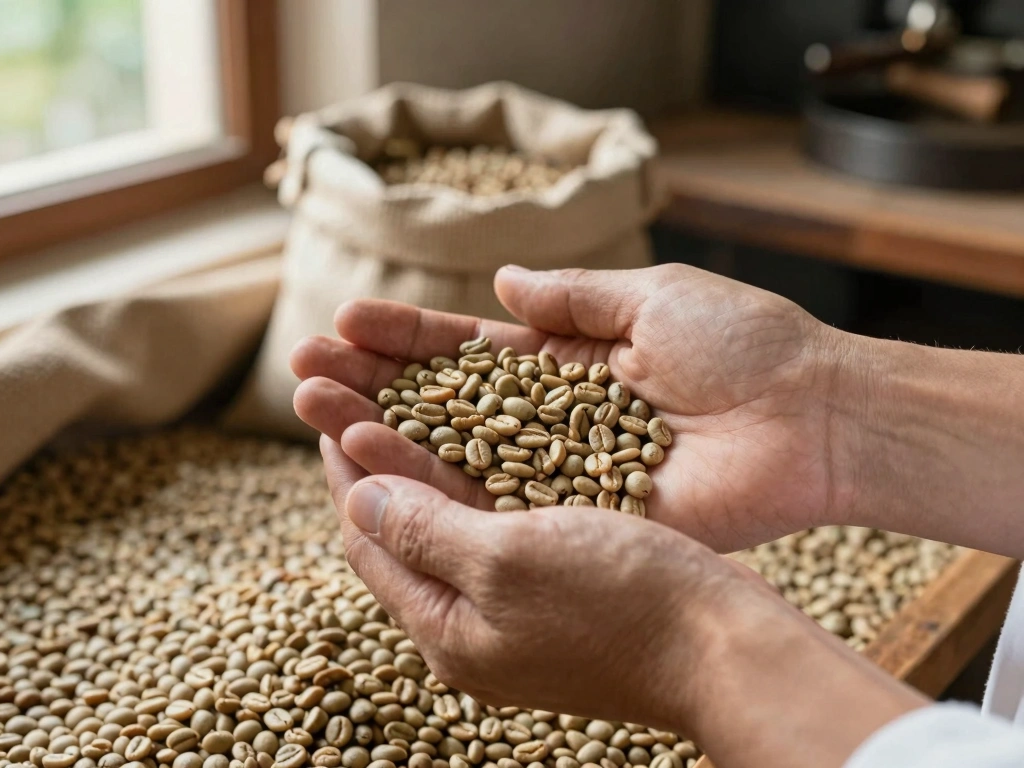
To ensure they are providing the best possible coffee, specialty roasters must be adept at evaluating bean quality and freshness. Several factors come into play, including the visual appearance of the beans, their aroma, and the date of roast. Freshly roasted beans typically have a glossy sheen due to the oils released during the roasting process, while older beans may appear dull and lack aroma. Roasters often use a 'first crack' technique during roasting, where they monitor the beans' sounds to determine the ideal roast level for flavor development.
Importance of Harvest Timing
Harvest timing is another critical factor in sourcing quality single-origin beans. Coffee cherries must be picked at peak ripeness to ensure optimal flavor. This means that roasters must work closely with farmers to determine the best times to harvest. For instance, in Ethiopia, the harvest might occur between October and January, and roasters need to time their purchasing accordingly to secure the freshest beans.
Certification and Grading Systems
Specialty coffee roasters often rely on certification and grading systems to identify high-quality beans. The Specialty Coffee Association (SCA) has established grading criteria that assess various attributes of coffee, such as defects, flavor, and acidity. Coffees that score above 80 points on a 100-point scale are typically classified as specialty coffee. Roasters utilize these grades to select the best beans for their roasts, ensuring they provide an exceptional product to consumers.
Success Stories of Specialty Coffee Roasters
Case Studies of Notable Roasters
Several specialty coffee roasters have gained recognition for their innovative sourcing strategies and commitment to quality. One such example is Blue Bottle Coffee, which has established direct relationships with farmers in regions like Guatemala and Ethiopia. By visiting farms and understanding the specific growing conditions, they can select beans that meet their high standards and share the stories behind each coffee with consumers.
Innovative Sourcing Strategies
Another notable roaster, Stumptown Coffee Roasters, has implemented a unique model called 'the direct trade model.' This involves not only purchasing beans directly from farmers but also providing them with the tools and resources necessary to improve their practices. For instance, Stumptown collaborates with farmers to enhance processing methods, which can lead to higher quality and more flavorful beans.
Impact on Local Communities and Economies
The impact of these sourcing strategies extends beyond the roasters themselves. Communities benefit significantly when farmers receive fair compensation and support. For example, Intelligentsia Coffee has developed a program that invests in education and healthcare for coffee-growing communities in Guatemala. This not only improves the quality of life for farmers but also enhances the overall quality of the coffee by ensuring that farmers can focus on their craft without economic pressures.